八年前,我和丈夫投身于我们人生中最重要的事业——不是去建造墙壁,而是去营造一个空间,让人在其中再次叩问自己:“今天的我是谁?”Eight years ago, my husband and I committed ourselves to the main work of our lives — to build not walls, but a space in which a person once again asks themselves: “Who am I today?”
在创办这所学校之前,我曾有过另一段人生:语言学学位、哲学博士学位,以及在乌德穆尔特国立大学任教哲学十七年。正是在那里,我领悟到最重要的一点:只有通过提问和创造意义,才能真正教会人思考。知识无法被给予,人只能自己去获取。作为教师,我所能做的,只是为一个人在自身发展中的前行创造条件。Before the school, there was another life: a degree in philology, a PhD in philosophy, and seventeen years of teaching philosophy at Udmurt State University. It was there that I understood the main thing: one can only teach thinking by asking questions and creating meanings. Knowledge cannot be given to a person — they can only take it themselves. As a teacher, I can only create the conditions for a person's movement in their own development.
今天,我们面对的核心问题是:现代世界将走向何方,我们又该教给孩子什么?我们的回答是:我们培养的孩子,将能够在新世界中解决任何任务——哪怕是尚不存在的任务。The main question for us today is: where is the modern world heading, and what should we teach our children? And we answer: we are raising children who will be able to solve any task in the new world — even one that does not yet exist.
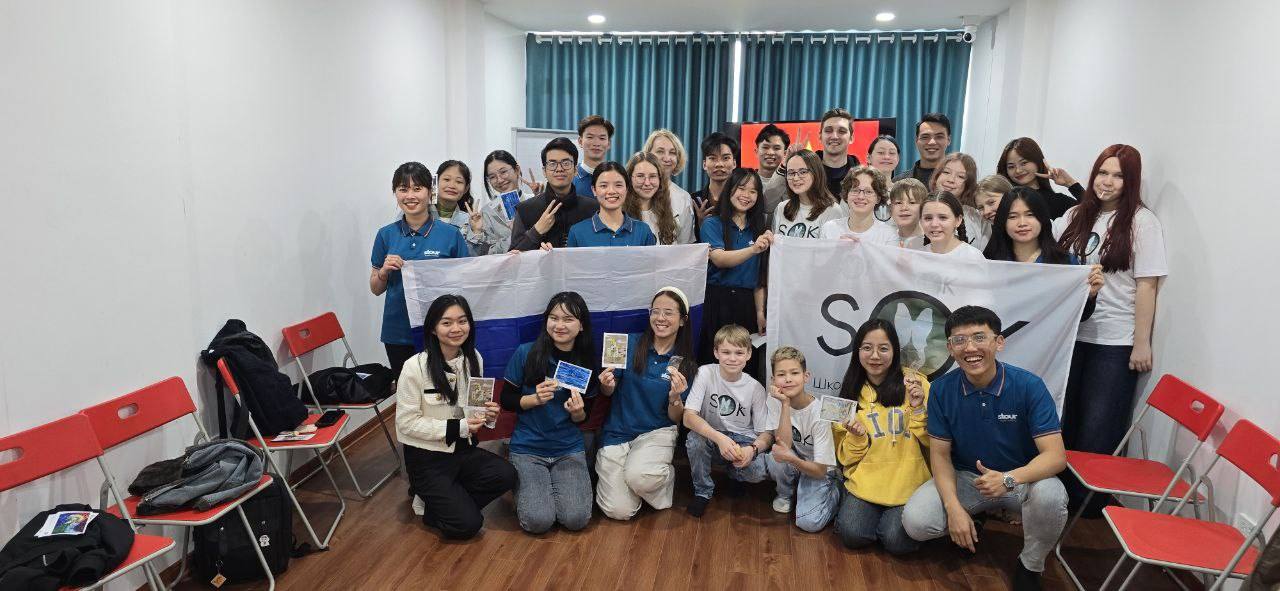
如今,我致力于“有机知识”这一哲学理念的研究——即回归思考,回归真正属于人的东西:交流、爱、生命的喜悦。从这个意义上说,SOK不仅是一个项目,更是我们全家的事业,是我们毕生的志业。对我们而言,世界是一个统一的意义空间,我们共同在其中生活与体验。而居于核心地位的,是旨在创造一个充满爱的世界的互动。正因如此,我们才对外开放国际合作。Today I am working on the philosophical concept of organic knowledge — the idea of returning to thinking and to what is truly human: communication, love, the joy of life. In this sense, SOK is not just a project, but the work of our family and a life's work. For us, the world is a single space of meanings that we live through together. And what becomes central is interaction aimed at creating a world in which love lives. That is why we are open to international cooperation.